
专著/章节


Organelle-Targeted AIE Probes for Cell Sorting

Published in Encyclopedia of Aggregation-Induced Emission, 2025

In conclusion, the future of AIE organelle-targeted probes in cell sorting is bright. As research continues to advance, we can expect to see significant improvements in probe design, integration with other technologies, and clinical applications. These advancements will have a profound impact on various fields, including cell biology, medicine, and biotechnology.
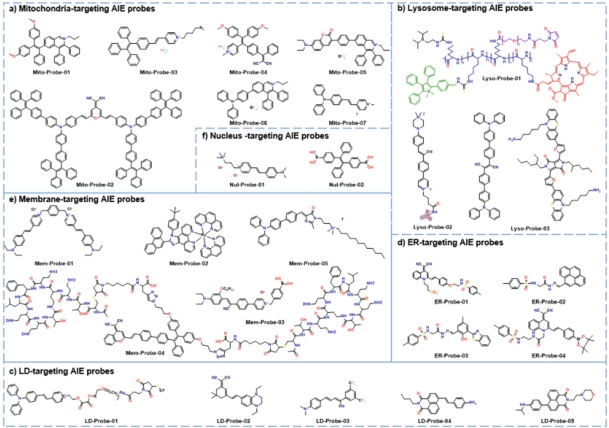
Recommended citation: Zhang, Y., Gong, W. (2025). Organelle-Targeted AIE Probes for Cell Sorting. In: Tang, B.Z., Zhao, Z., Qiu, Z. (eds) Encyclopedia of Aggregation-Induced Emission. Springer, Singapore. https://doi.org/10.1007/978-981-97-1574-9_134-1
Download Paper | Visit Websites | Download Bibtex


AIE生物成像图谱及技术手册

Published in 科学出版社, 2025

本书是一本聚焦前沿光学材料应用的跨学科工具书,系统呈现了“聚集诱导发光”(aggregation-induced emissin,AIE)材料在生命科学领域的创新突破与实践成果。全书通过三大模块构建知识体系:基础理论部分阐释了AIE材料的发光机制与特性优势以及荧光成像技术的广泛应用场景;图谱部分详细展示了AIE材料在不同层次的生物成像实例,涵盖生物大分子、细胞器、细胞及活体;常见问题部分针对荧光成像中的常见问题给出原因分析及解决方案,可助力初入荧光成像领域的基础及临床工作者快速了解相关知识。全书收录超过500幅技术原理及高清显微图像,直观呈现了AIE材料在不同环境及应用场景中的高信噪比、高靶向性、高稳定性及高穿透性等技术优势。成像图例提供了对应的AIE分子结构及详细的成像参数,为读者提供全面的技术参考。作为材料科学与生物医学的交叉研究成果,本书既可作为高校“生物医学工程”专业研究生教材,也可为相关生物技术企业研发部门提供技术转化指南,同时也能成为生物、医学等工作者的工具书。.

期刊论文


聚集诱导发光材料:生物医学成像中的新视野

Published in 科学, 2024

本文介绍了聚集诱导发光(AIE)材料在生物医学成像领域的应用,强调了其在细胞器成像、微生物检测、肿瘤手术导航及小分子探测等方面的独特优势。AIE材料“越聚集越亮”的特性显著提升了生物检测的灵敏度和特异性,为精准医疗和疾病早期诊断提供了新的技术手段。

Recommended citation: Gong,W.; Liu, Y.; Wang, Z.; 聚集诱导发光材料:生物医学成像中的新视野. 科学 2024, 76 (05), 9–14.
Download Paper | Visit Websites | Download Bibtex
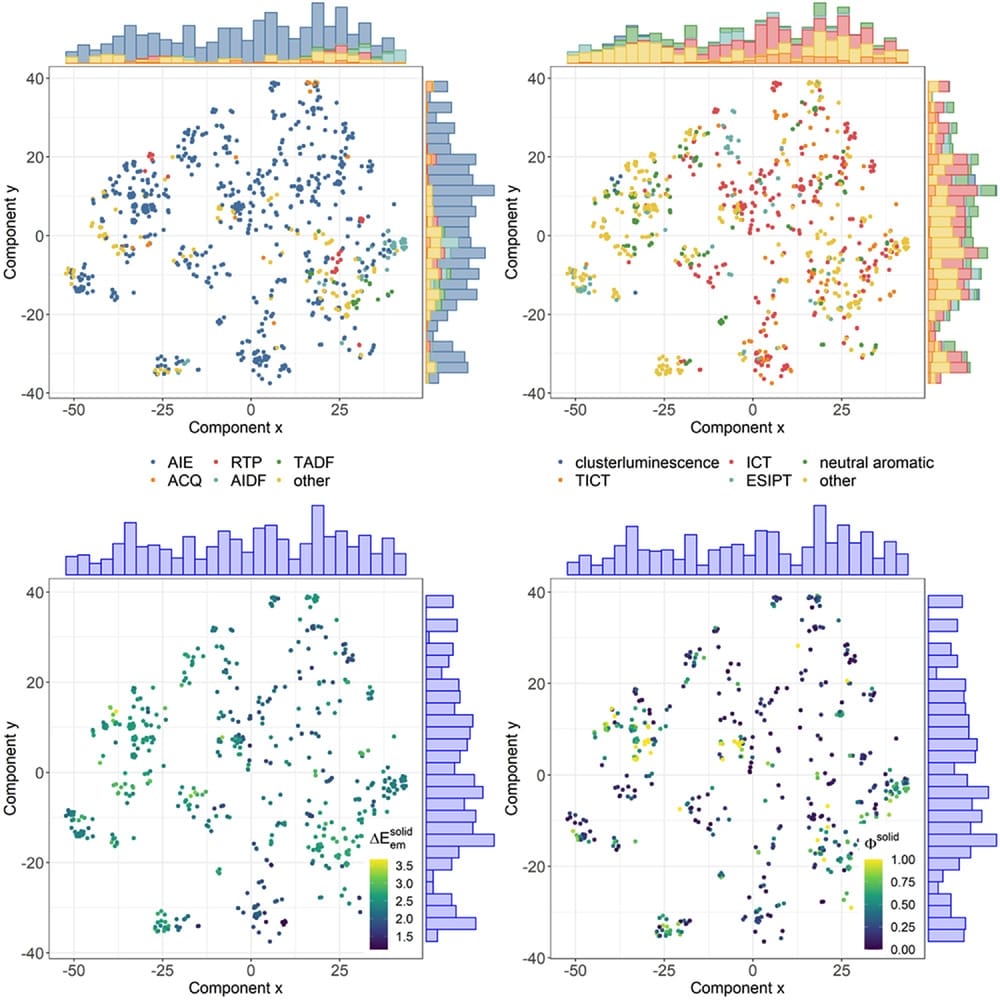
ASBase: The universal database for aggregate science

Published in Aggregate, 2022

This paper reports the first universal and versatile database on aggregate materials for the field of aggregate science research. At the current stage, the database contains over 1000 entries of organic aggregate material systems (mainly luminescent systems at the current stage) with a unique data structure which is designed particularly for aggregate materials and containing the photophysics and physicochemical properties of the compounds in different statuses of aggregation, including dilute solution form, pristine solid-state, stable crystalline, and nanoaggregates formed in solvents. The web-based interface of the database provided functions to index, search, manipulate, fetch and deposit data entries. In addition, a background calculation service optimizes the chemical structure of new entries on different levels of accuracies. The database also provided background API for interactive developments of prediction or regression models based on machine-learning algorithms.

Recommended citation: Gong, J.; Gong, W.; Wu, B.; Wang, H.; He, W.; Dai, Z.; Li, Y.; Liu, Y.; Wang, Z.; Tuo, X.; Lam, J. W. Y.; Qiu, Z.; Zhao, Z.; Tang, B. Z. ASBase: The Universal Database for Aggregate Science. Aggregate, 2023, 4 (1), e263. https://doi.org/10.1002/agt2.263.
Download Paper | Visit Websites | Download Bibtex
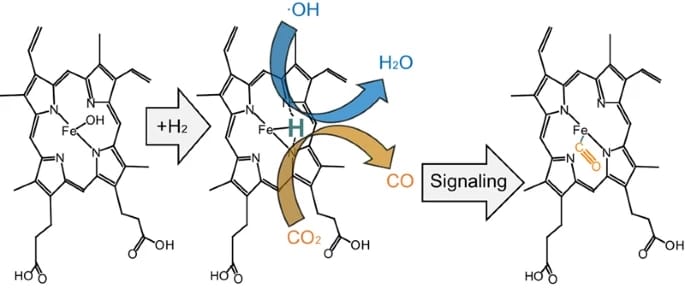
Fe-porphyrin: A redox-related biosensor of hydrogen molecule

Published in Nano Research, 2022

Hydrogen molecule (H2) exhibits broad-spectrum but microenvironment-dependent biomedical effects in varied oxidation stress-related diseases, but its molecular mechanism is unclear and its targeting molecule is unknown so far. Herein, we originally reveal that Fe-porphyrin is a H2-targeted molecule. We have demonstrated that the oxidized Fe-porphyrin in both free and protein-confining states can self-catalyze the hydrogenation/reduction by reacting with H2 to catalytically scavenge ·OH, and can also catalytically hydrogenate to reduce CO2 into CO in the hypoxic microenvironment of in vitro simulation and in vivo tumor, confirming that Fe-porphyrin is a redox-related biosensor of H2 and H2 is an upstream signaling molecule of CO. These discoveries are favorable for deep understanding and exploration of profound biomedical effects of H2, and helpful for development of innovative drugs and hydrogen energy/agricultural materials.

Recommended citation: Jin, Z.; Zhao, P.; Gong, W.; Ding, W.; He, Q. Fe-Porphyrin: A Redox-Related Biosensor of Hydrogen Molecule. Nano Res. 2023, 16 (2), 2020–2025. https://doi.org/10.1007/s12274-022-4860-y.
Download Paper | Visit Websites | Download Bibtex
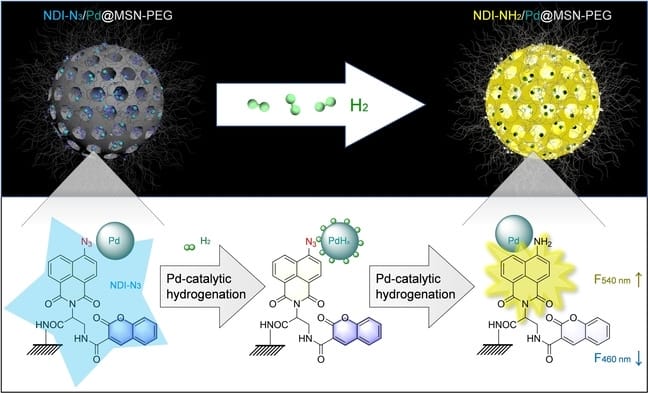
An Activity-Based Ratiometric Fluorescent Probe for In Vivo Real-Time Imaging of Hydrogen Molecules

Published in Angewandte Chemie - International Edition, 2022

To reveal the biomedical effects and mechanisms of hydrogen molecules urgently needs hydrogen molecular imaging probes as an imperative tool, but the development of these probes is extremely challenging. A catalytic hydrogenation strategy is proposed to design and synthesize a ratiometric fluorescent probe by encapsulating Pd nanoparticles and conjugating azido-/coumarin-modified fluorophore into mesoporous silica nanoparticles, realizing in vitro and in vivo fluorescence imaging of hydrogen molecules. The developed hydrogen probe exhibits high sensitivity, rapid responsivity, high selectivity and low detection limit, enabling rapid and real-time detection of hydrogen molecules both in cells and in the body of animal and plant. By application of the developed fluorescent probe, we have directly observed the super-high transmembrane and ultrafast transport abilities of hydrogen molecules in cells, animals and plants, and discovered in vivo high diffusion of hydrogen molecules.

Recommended citation: Gong, W.; Jiang, L.; Zhu, Y.; Jiang, M.; Chen, D.; Jin, Z.; Qin, S.; Yu, Z.; He, Q. An Activity‐Based Ratiometric Fluorescent Probe for In Vivo Real‐Time Imaging of Hydrogen Molecules. Angew. Chem. Int. Ed., 2022, 61 (9), e202114594. https://doi.org/10.1002/anie.202114594.
Download Paper | Visit Websites | Download Bibtex

Sulourea-coordinated Pd nanocubes for NIR-responsive photothermal/H2S therapy of cancer

Published in Journal of Nanobiotechnology, 2021

The Pd-Su nanomedicine shows a high Su loading capacity (85 mg g−1), a high near-infrared (NIR) photothermal conversion efficiency (69.4%), and NIR-controlled H2S release by the photothermal-triggered hydrolysis of Su. The combination of photothermal heating and H2S produces a strong synergetic effect by H2S-induced inhibition of heat shock response, thereby effectively inhibiting tumor growth. Moreover, high intratumoral accumulation of the Pd-Su nanomedicine after intravenous injection also enables photothermal/photoacoustic dual-mode imaging-guided tumor treatment.

Recommended citation: Guo, X.; Liu, J.; Jiang, L.; Gong, W.; Wu, H.; He, Q. Sulourea-Coordinated Pd Nanocubes for NIR-Responsive Photothermal/H2S Therapy of Cancer. J Nanobiotechnol, 2021, 19 (1), 321. https://doi.org/10.1186/s12951-021-01042-9.
Download Paper | Visit Websites | Download Bibtex
Gas probes and their application in gas therapy

Published in Chemical Synthesis, 2021

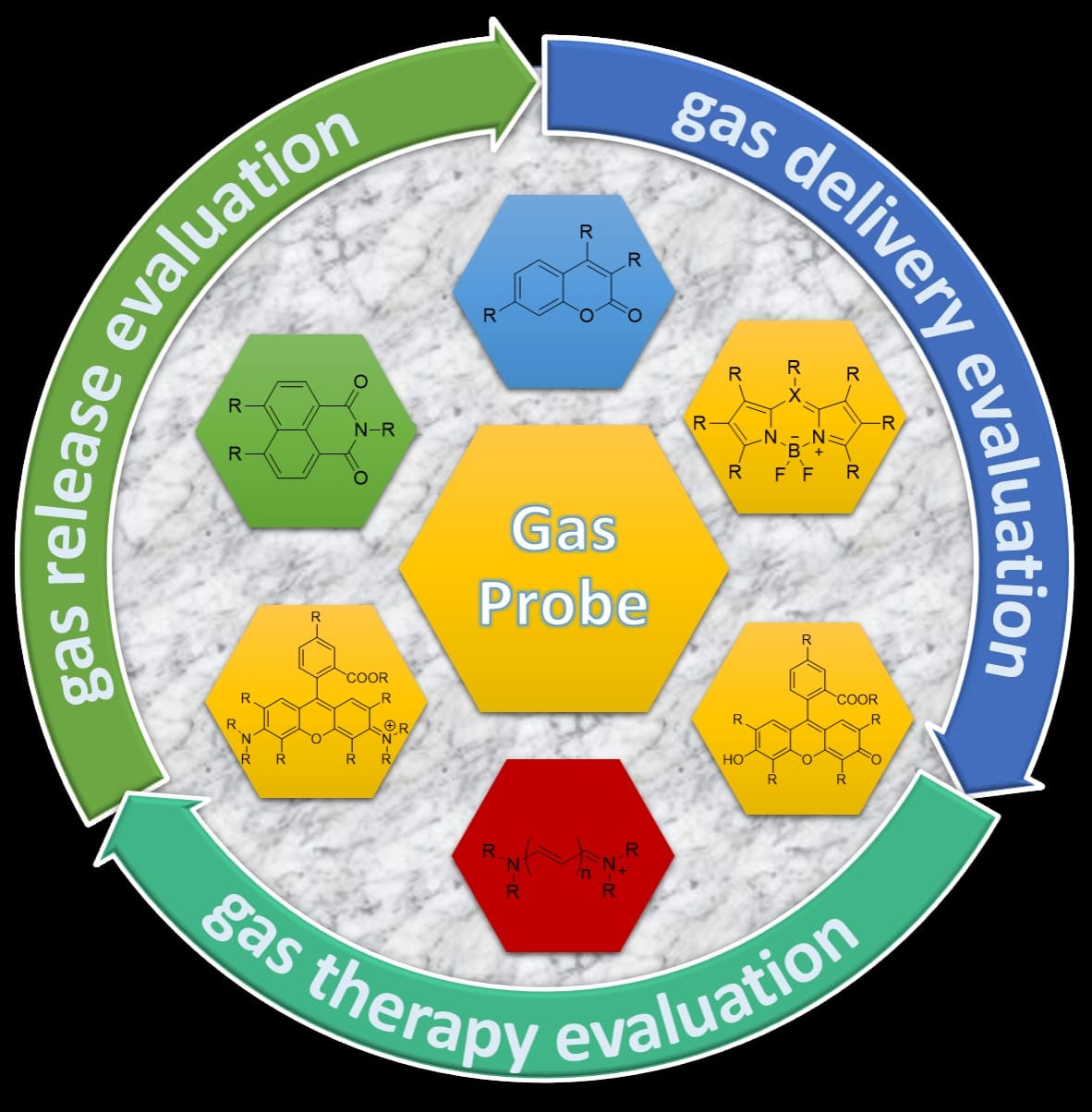
As an emerging field, gas therapy attracts increasing attention because of its distinguishing features in disease treatment. However, to achieve a therapeutic effect, the concentration of gas should be carefully controlled. Thus, a suitable and convenient technology is required to monitor the gas concentration in vivo. Besides, the transportation of gas into human body and in vivo biodistribution of gas also need to be evaluated. Among the technologies adopted in gas therapy, fluorescence imaging technology is the first choice due to its high specificity, high sensitivity, and non-invasion. And as the core of fluorescence imaging, the properties of fluorescent dyes directly determine the quality of imaging. So, it is critical to choose suitable gas probes for different purposes. Here, we review common gas detection methods, including a brief introduction of fluorescence, the distinctive properties of five fluorophore cores, and the detection mechanisms of common gas probes. Then, the applications of gas probes in gas delivery, gas release, and gas therapy are summarized. At last, we discuss the potential of developing further intelligent gas probes and fluorescence imaging technologies for gas therapy.

Recommended citation: Gong, W.-J.; Yu, Z.-Q.; He, Q.-J. Gas Probes and Their Application in Gas Therapy. Chem. Syth., 2021. https://doi.org/10.20517/cs.2021.04.
Download Paper | Visit Websites | Download Bibtex
STORM imaging of mitochondrial dynamics using a vicinal-dithiol-proteins-targeted probe

Published in Biomaterials, 2020

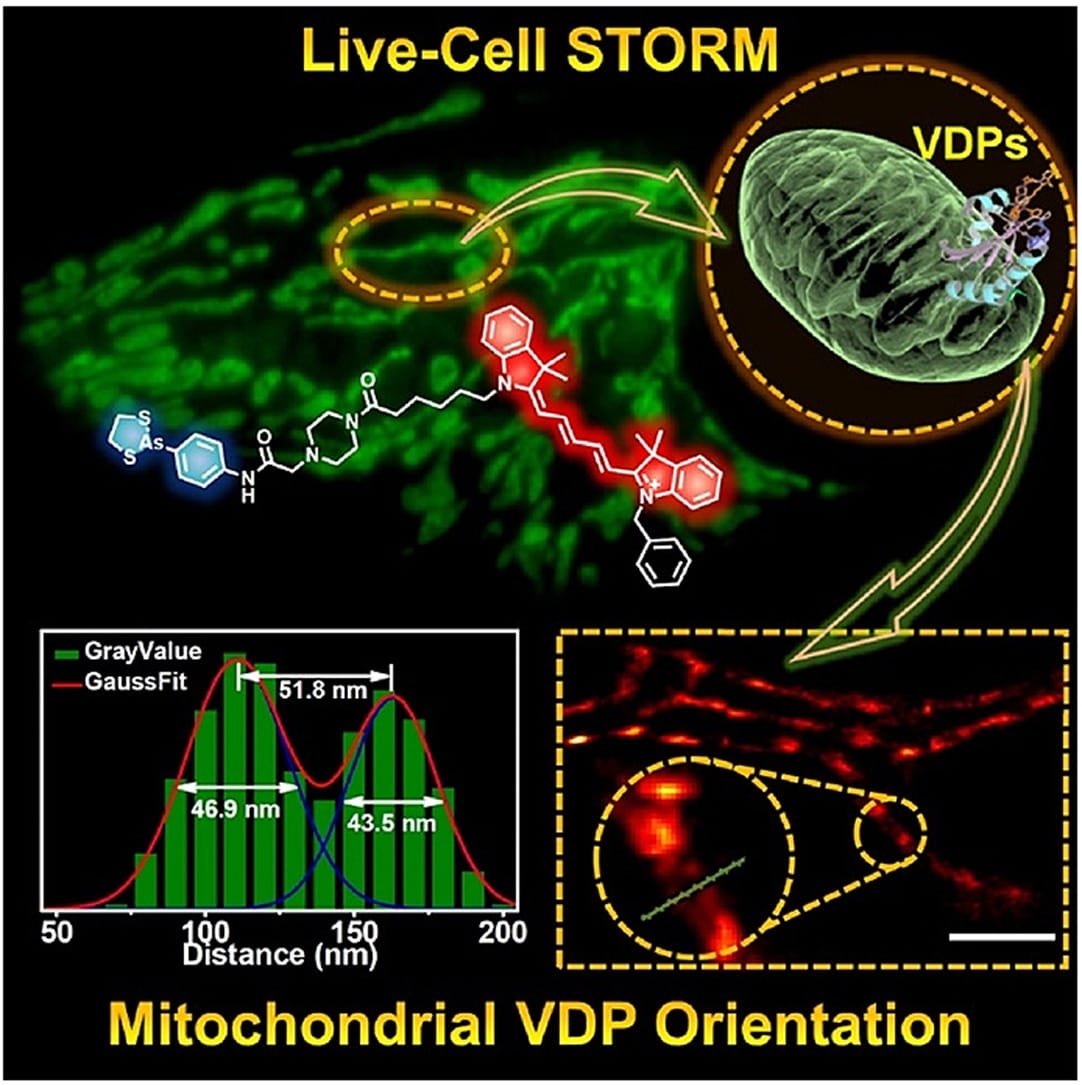
Stochastic optical reconstruction microscopy (STORM) is a promising method for the visualization of ultra-fine mitochondrial structures. However, this approach is limited to monitoring dynamic intracellular events owing to its low temporal resolution. We developed a new strategy to capture mitochondrial dynamics using a compressed sensing STORM algorithm following raw data pre-treatments by a noise-corrected principal component analysis and K-factor image factorization. Using STORM microscopy with a vicinal-dithiol-proteins targeting probe, visualizing mitochondrial dynamics was attainable with spatial and temporal resolutions of 45 nm and 0.8 s, notably, dynamic mitochondrial tubulation retraction of ~746 nm in 1.2 s was monitored. The labeled conjugate was observed as clusters (radii, ~90 nm) distributed on the outer mitochondrial membranes, not yet reported as far as we know. This strategy is promising for the quantitative analysis of intracellular behaviors below the optical diffraction limit.

Recommended citation: Chen, B.#; Gong, W.#; Yang, Z.; Pan, W.; Verwilst, P.; Shin, J.; Yan, W.; Liu, L.; Qu, J.; Kim, J. S. STORM Imaging of Mitochondrial Dynamics Using a Vicinal-Dithiol-Proteins-Targeted Probe. Biomaterials, 2020, 243, 119938. https://doi.org/10.1016/j.biomaterials.2020.119938.
Download Paper | Visit Websites | Download Bibtex

Super-resolution imaging of the dynamic cleavage of intercellular tunneling nanotubes

Published in Frontiers of Optoelectronics, 2020

As a new method of cell-cell communication, tunneling nanotubes (TNTs) play important roles in cell-cell signaling and mass exchanges. However, a lack of powerful tools to visualize dynamic TNTs with high temporal/spatial resolution restricts the exploration of their formation and cleavage, hindering the complete understanding of its mechanism. Herein, we present the first example of using stochastic optical reconstruction microscopy (STORM) to observe the tube-like structures of TNTs linking live cells with an easily prepared fluorescent dye. Because of this new imaging microscopy, the cleavage process of TNTs was observed with a high spatial resolution.

Recommended citation: Gong, W.; Pan, W.; He, Y.; Huang, M.; Zhang, J.; Gu, Z.; Zhang, D.; Yang, Z.; Qu, J. Super-Resolution Imaging of the Dynamic Cleavage of Intercellular Tunneling Nanotubes. Front. Optoelectron., 2020, 13 (4), 318–326. https://doi.org/10.1007/s12200-020-1068-1.
Download Paper | Visit Websites | Download Bibtex
Nanoliposomes Co-Encapsulating Photoswitchable Probe and Photosensitizer for Super-Resolution Optical Imaging and Photodynamic Therapy

Published in Cytometry Part A, 2019

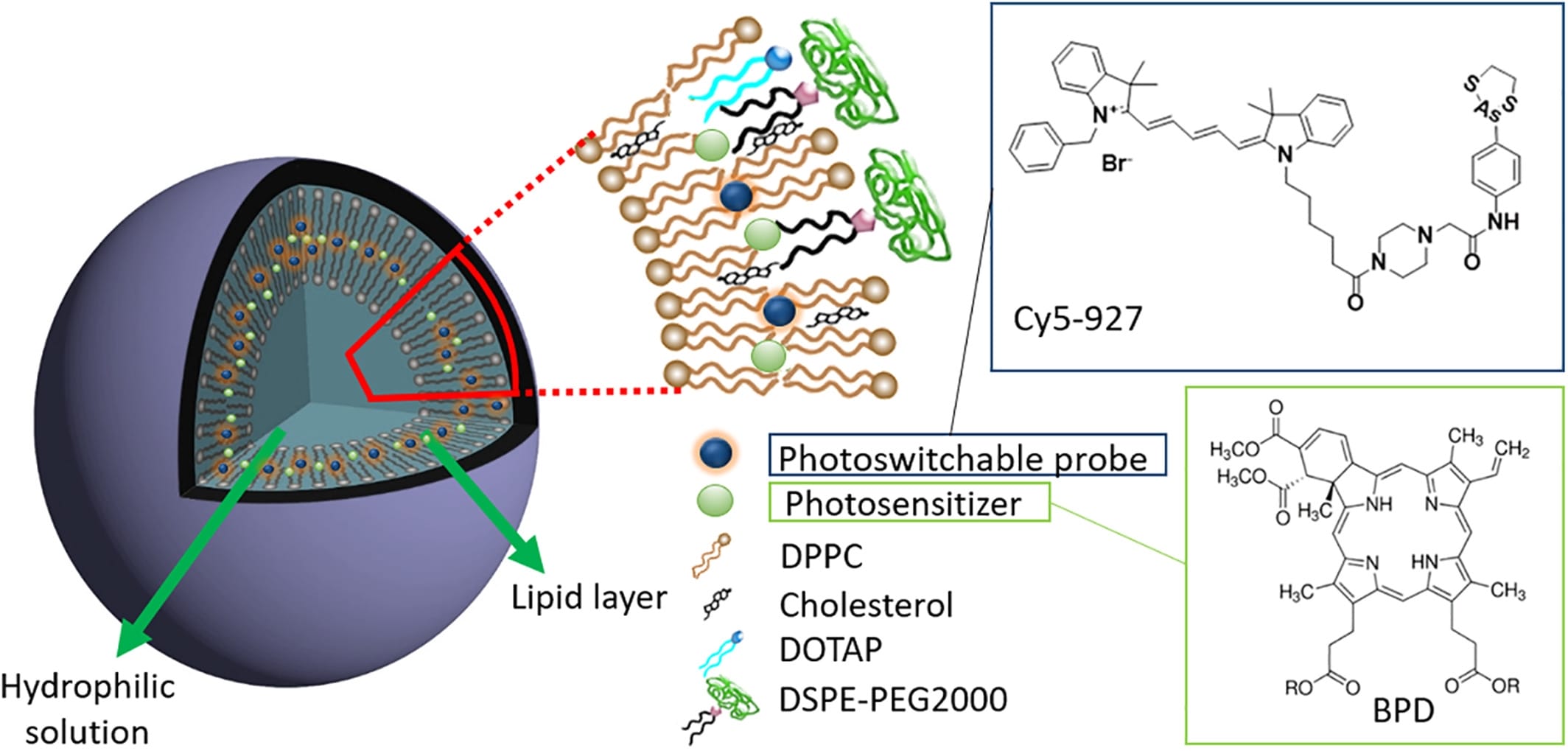
Photosensitizers (PSs) are ideal cancer theranostic drugs that can be administered as both fluorescence imaging reagents and photodynamic therapy (PDT) drugs. To improve the tumoritropic behavior of PSs, nanoliposomes are presently being considered as optimal PSs carriers. Although nanoliposomal PSs have been utilized in clinical therapy, PSs localization and photosensitive processing in nanoliposomal PSs are rarely observed on nanoscale. Investigating changes in the fine structure of nanoliposomes under photosensitive processing will further our understanding of the photosensitive effect on nanoliposomal PSs. In this study, nanoliposomes co-encapsulating the PSs benzoporphyrin derivative monoacid A (BPD) and the photoswitchable probe Cy5-927 were prepared to realize PDT and nanoscale super-resolution optical imaging. The fine structures of nanoliposomal BPD and Cy5-927 (LBC) were visualized by a home-built stochastic optical reconstruction microscopy (STORM). Our PDT results showed that the photorelease and PDT efficiency of BPD were not decreased by co-encapsulating with Cy5-927 in LBC. Taken together, LBC can be used as a new optical probe and PDT reagent for investigating changes in nanoliposomes fine structure and micro-interaction in the cellular process of PDT. Therefore, our results deepened our understanding of liposome-based PDT for optimizing cancer treatment.

Recommended citation: Xu, H.#; Chen, B.#; Gong, W.#; Yang, Z.; Qu, J. Nanoliposomes Co‐Encapsulating Photoswitchable Probe and Photosensitizer for Super‐Resolution Optical Imaging and Photodynamic Therapy. Cytometry Pt A 2020, 97 (1), 54–60. https://doi.org/10.1002/cyto.a.23864.
Download Paper | Visit Websites | Download Bibtex
Redefining the photo-stability of common fluorophores with triplet state quenchers: Mechanistic insights and recent updates

Published in Chemical Communications, 2019

Light microscopy can offer certain advantages over electron microscopy in terms of acquiring detailed insights into the biological/intra-cellular milieu. In recent years, with the development of new fluorescence imaging technologies, it has become extremely important to assess the role of designing appropriate fluorophores in acquiring desired biological information without encountering any untoward hitches. Over the years, external fluorophores have been prevalently used in fluorescence microscopy and single-molecule fluorescence microscopy-based studies. Photostable fluorogenic probes with high extinction coefficients and quantum yields, exhibiting minimum autofluorescence and photobleaching properties, are preferred in single-molecule microscopy as they can tolerate long-term laser exposure. Therefore, the development of triplet state quenchers and/or any other suitable new strategy to ensure the photo-stability of the fluorophores during long-term live cell imaging exercises is highly anticipated. In this feature article, various strategies for stabilizing fluorophores, including the mechanisms of TSQ-induced stabilization, have been thoroughly reviewed considering contemporary literature reports and applications.

Recommended citation: Gong, W.; Das, P.; Samanta, S.; Xiong, J.; Pan, W.; Gu, Z.; Zhang, J.; Qu, J.; Yang, Z. Redefining the Photo-Stability of Common Fluorophores with Triplet State Quenchers: Mechanistic Insights and Recent Updates. Chem. Commun., 2019, 55 (60), 8695–8704. https://doi.org/10.1039/C9CC02616A.
Download Paper | Visit Websites | Download Bibtex
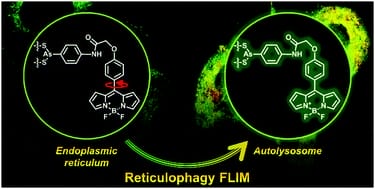
Dual-functional fluorescent molecular rotor for endoplasmic reticulum microviscosity imaging during reticulophagy

Published in Chemical Communications, 2019

The microviscosity change associated with reticulophagy is an important component for studying endoplasmic reticulum (ER) stress disorders. Here, a BODIPY-arsenicate conjugate 1-based fluorescent molecular rotor was designed to covalently bind vicinal dithiol-containing proteins in the ER, exhibiting a bifunction of reticulophagy initiation and microviscosity evaluation. Therefore, we could quantify the local viscosity changes during reticulophagy based on the fluorescence lifetime changes of probe 1.

Recommended citation: He, Y.; Shin, J.; Gong, W.; Das, P.; Qu, J.; Yang, Z.; Liu, W.; Kang, C.; Qu, J.; Kim, J. S. Dual-Functional Fluorescent Molecular Rotor for Endoplasmic Reticulum Microviscosity Imaging during Reticulophagy. Chem. Commun. 2019, 55 (17), 2453–2456. https://doi.org/10.1039/C9CC00300B.
Download Paper | Visit Websites | Download Bibtex
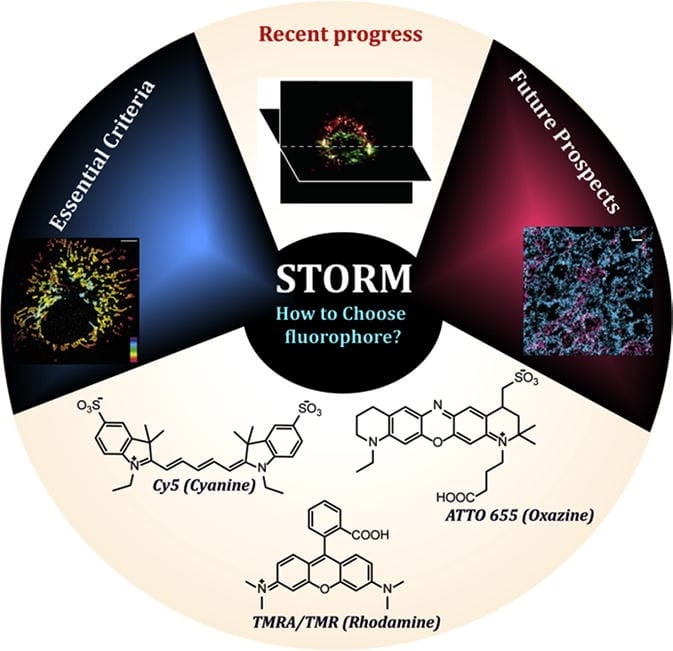
Organic fluorescent probes for stochastic optical reconstruction microscopy (STORM): Recent highlights and future possibilities

Published in Coordination Chemistry Reviews, 2018

Super-resolution fluorescence imaging by single-molecule localization microscopy (SMLM) offers the possibility of microscopic images with sub-diffraction spatial resolution. Stochastic optical reconstruction microscopy (STORM) is one of the emerging SMLM techniques that has contributed new insights into both the structures and functions of sub-cellular organelles in the cellular context with a spatial resolution virtually at the molecular level. Photo-switching of single fluorophores and position determination are the most common features of this SMLM technique, which allows molecule-resolved information as well as super-resolved images. However, achieving successful STORM-based images relies on the suitable choice of a fluorophore. In particular, the use of ideal organic fluorescent probes has great potential to circumvent common difficulties that arise during the construction of STORM images. However, there is hardly any comprehensive review that critically assesses the criteria for choosing ideal fluorescent probes for STORM and designing new efficient organic fluorescent probes to date. Therefore, this review has particularly focused on the choice of organic fluorescent probes, the essential features for designing new probes and the future prospects for resolving persistent issues in STORM imaging. The utility of organic fluorescent probes in multicolor STORM, 3D STORM and live cell STORM imaging are also discussed to provide a perspective concerning the true application potential of commonly used fluorescent dyes. In this review, we not only describe how organic fluorescent dyes have contributed to the growth of STORM-based super-resolution imaging in eukaryotic biology, but we also attempt to provide a basis on which advanced organic fluorescent probes can be designed and developed in the near future.

Recommended citation: Samanta, S#.; Gong, W. #; Li, W.; Sharma, A.; Shim, I.; Zhang, W.; Das, P.; Pan, W.; Liu, L.; Yang, Z.; Qu, J.; Kim, J. S. Organic Fluorescent Probes for Stochastic Optical Reconstruction Microscopy (STORM): Recent Highlights and Future Possibilities. Coordination Chemistry Reviews 2019, 380, 17–34. https://doi.org/10.1016/j.ccr.2018.08.006.
Download Paper | Visit Websites | Download Bibtex
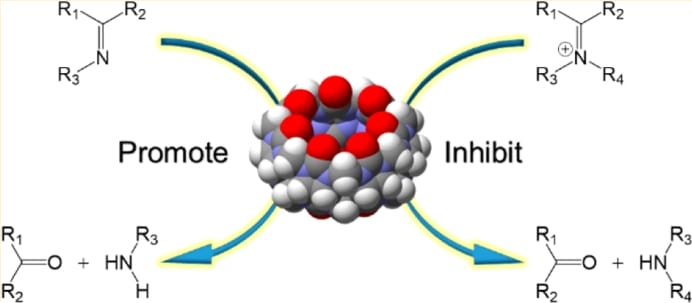
Inhibition and Stabilization: Cucurbituril Induced Distinct Effects on the Schiff Base Reaction

Published in Journal of Organic Chemistry, 2017

The different effects of cucurbit[7]uril (CB[7]) on the Schiff base reactions in aqueous solution were explored by 1H NMR spectroscopy and single X-ray crystallography. With CB[7], the condensation reaction of aldehyde and primary amine is dramatically inhibited. In contrast, the presence of CB[7] does tremendously stabilize iminium cation in water through ion–dipole interactions. A single crystal structure of the complex of iminium ion 7 with CB[7] grown in water is reported.

Recommended citation: Gong, W.; Ma, J.; Zhao, Z.; Gao, F.; Liang, F.; Zhang, H.; Liu, S. Inhibition and Stabilization: Cucurbituril Induced Distinct Effects on the Schiff Base Reaction. J. Org. Chem., 2017, 82 (6), 3298–3301. https://doi.org/10.1021/acs.joc.6b02971.
Download Paper | Visit Websites | Download Bibtex
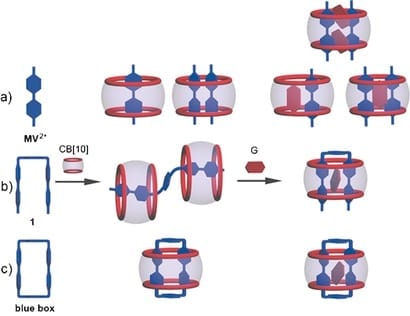
From Packed “Sandwich” to “Russian Doll”: Assembly by Charge-Transfer Interactions in Cucurbit[10]uril

Published in Chemistry - A European Journal, 2016

As the host possessing the largest cavity in the cucurbit[n]uril (CB[n]) family, CB[10] has previously displayed unusual recognition and assembly properties with guests but much remains to be explored. Herein, we present the recognition properties of CB[10] toward a series of bipyridinium guests including the tetracationic cyclophane known as blue box along with electron-rich guests and detail the influence of encapsulation on the charge-transfer interactions between guests. For the mono-bipyridinium guest (methylviologen, MV2+), CB[10] not only forms 1:1 and 1:2 inclusion complexes, but also enhances the charge-transfer interactions between methylviologen and dihydroxynaphthalene (HN) by mainly forming the 1:2:1 packed “sandwich” complex (CB[10]⋅2 MV2+⋅HN). For guest 1 with two bipyridinium units, an interesting conformational switching from linear to “U” shape is observed by adding catechol to the solution of CB[10] and the guest. For the tetracationic cyclophane-blue box, CB[10] forms a stable 1:1 inclusion complex; the two bipyridinium units tilt inside the cavity of CB[10] according to the X-ray crystal structure. Finally, a supramolecular “Russian doll” was built up by threading a guest through the cavities of both blue box and CB[10].

Recommended citation: Gong, W.; Yang, X.; Zavalij, P. Y.; Isaacs, L.; Zhao, Z.; Liu, S. From Packed “Sandwich” to “Russian Doll”: Assembly by Charge‐Transfer Interactions in Cucurbit[10]Uril. Chemistry A European J 2016, 22 (49), 17493–17493. https://doi.org/10.1002/chem.201604149.
Download Paper | Visit Websites | Download Bibtex

From Packed “Sandwich” to “Russian Doll”: Assembly by Charge-Transfer Interactions in Cucurbit[10]uril

Published in Chemistry - A European Journal, 2016

Invited for the cover of this issue is the group of Lyle Isaacs and Simin Liu at the University of Maryland and Wuhan University of Science and Technology. The image depicts two packed “sandwiches” and one supramolecular “Russian doll” that are assembled by host–guest and charge-transfer interactions.

Recommended citation: Gong, W.; Yang, X.; Zavalij, P. Y.; Isaacs, L.; Zhao, Z.; Liu, S. From Packed “Sandwich” to “Russian Doll”: Assembly by Charge‐Transfer Interactions in Cucurbit[10]Uril. Chemistry A European J, 2016, 22 (49), 17493–17493. https://doi.org/10.1002/chem.201605040.
Download Paper | Visit Websites | Download Bibtex
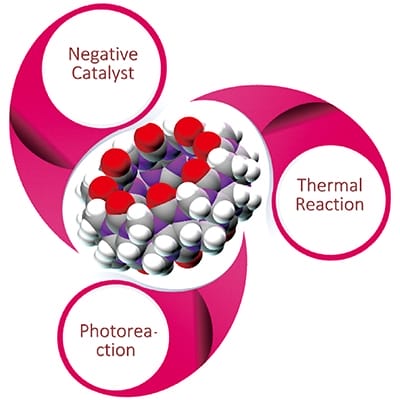
Cucurbituril-based supramolecular nanoreactors/catalysts

Published in Progress in Chemistry, 2016

Cucurbit[n] urils (CB[n] s), as a kind of rapidly developing supramolecular hosts, have been attracting more and more attentions. With their rigid structures, hydrophobic cavities and electronegative carbonyl groups on the portals, CB[n] s show their unique recognition properties——high selectivity and high binding affinity toward organic cations. In the past decade, CB[n] s have been utilized not only in basic recognition research but also in the construction of complicated three-dimensional materials and even in drug delivery systems. Besides, CB[n] s have been creatively used to control the reaction process and have obtained numerous successes. Herein, this review mainly describes the use of cucurbiturils as supramolecular nanoreactors/catalysts to accelerate or control the reaction process in thermal reactions as well as photoreactions. Moreover, the inhibition effect on guest's activity caused by the encapsulation inside cucurbiturils is also discussed.

Recommended citation: Gong W.; Zhao Z.; Liu S.; Cucurbituril-based supramolecular nanoreactors/catalysts. Progress in Chemistry,  2016, 28 (12): 1732-1742. https://doi.org/10.7536/PC160936
Download Paper | Visit Websites | Download Bibtex
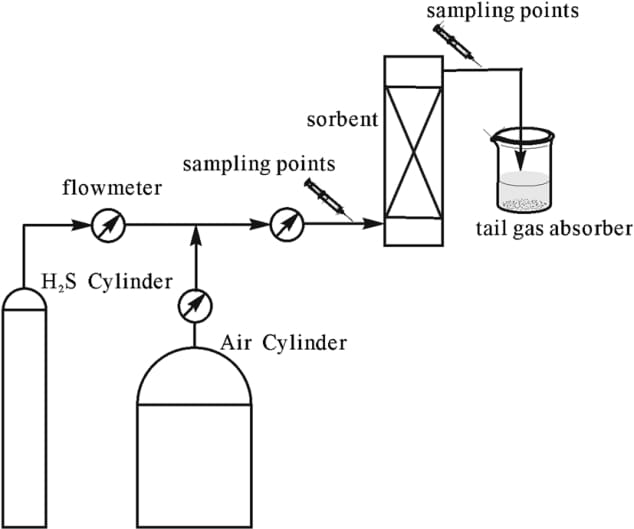
Effect of surface properties of iron oxide sorbents on hydrogen sulfide removal from odor

Published in Clean - Soil, Air, Water, 2015

Hydrogen sulfide (H2S) removal is the key issue for the odor control of sewage treatment facilities. In this paper, the iron oxide sorbents with different surface acid–base properties were prepared by acid and base modification. Effect of surface properties of iron oxide sorbents on H2S removal was revealed by the characterization of surface pH, Fourier-transform infrared spectroscopy, X-ray photoelectron spectroscopy, and solid-state NMR spectroscopy. The results show that the activity loss of the iron oxide sorbent is mainly due to the gradual oxidation of H2S into elemental sulfur and further into the sulfuric acid and sulfurous acid with time on stream. Meanwhile, the surface basic environment of base-treated iron oxide sorbent significantly increases the H2S removal activity by suppression the formation of H2SO4 or H2SO3 during the desulfurization process. Our findings will help us to prepare novel sorbent for more effective H2S removal from, e.g., odor gas.

Recommended citation: Zeng, D.; Liu, S.; Gong, W.; Wang, G.; Qiu, J.; Chen, H. Effect of Surface Properties of Iron Oxide Sorbents on Hydrogen Sulfide Removal from Odor. CLEAN Soil Air Water 2015, 43 (7), 975–979. https://doi.org/10.1002/clen.201300328.
Download Paper | Visit Websites | Download Bibtex
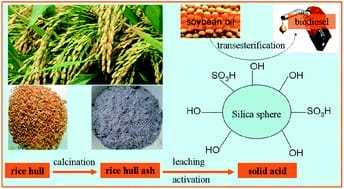
A nano-sized solid acid synthesized from rice hull ash for biodiesel production

Published in RSC Advances, 2014

A nano-sized solid acid was synthesized from rice hull ash by acid activation. The solid acid was characterized by XRD, FT-IR, TEM and solid-state NMR spectroscopy. The characterization results show that the solid acid is amorphous silica with –OH and –SO3H functional acid groups. The TEM images show that the particle size range of the solid acid catalyst is 50–100 nm. In addition, the catalytic results indicate that the solid acid exhibits excellent activity and recyclability for the transesterification reaction of soybean oil with methanol, suggesting promising industrial applications in biodiesel production.

Recommended citation: Zeng, D.; Liu, S.; Gong, W.; Chen, H.; Wang, G. A Nano-Sized Solid Acid Synthesized from Rice Hull Ash for Biodiesel Production. RSC Adv. 2014, 4 (39), 20535–20539. https://doi.org/10.1039/C4RA00266K.
Download Paper | Visit Websites | Download Bibtex

利用转炉尘泥制备聚合硫酸铁的研究

Published in 现代化工, 2014

以转炉尘泥为原料,采用混合酸酸浸法浸出铁,探讨了硫酸浓度、反应温度、反应时间、盐酸用量对铁浸出率的影响。将浸出液经铁粉还原、双氧水氧化工艺制备聚合硫酸铁,并对制得的聚合硫酸铁进行了一系列的分析和表征。实验结果表明,硫酸质量分数为70%,反应温度为80℃,反应时间为120 min,盐酸用量为15 mL时,铁的浸出率可达95%以上

Recommended citation: 曾丹林 ;刘胜兰 ;王光辉; 马亚丽; 苏敏; 龚晚君; 严铁军,利用转炉尘泥制备聚合硫酸铁的研究.现代化工, 2013, 3(12):67-69.DOI:10.16606/j.cnki.issn0253-4320.2013.12.033.
Download Paper | Visit Websites | Download Bibtex
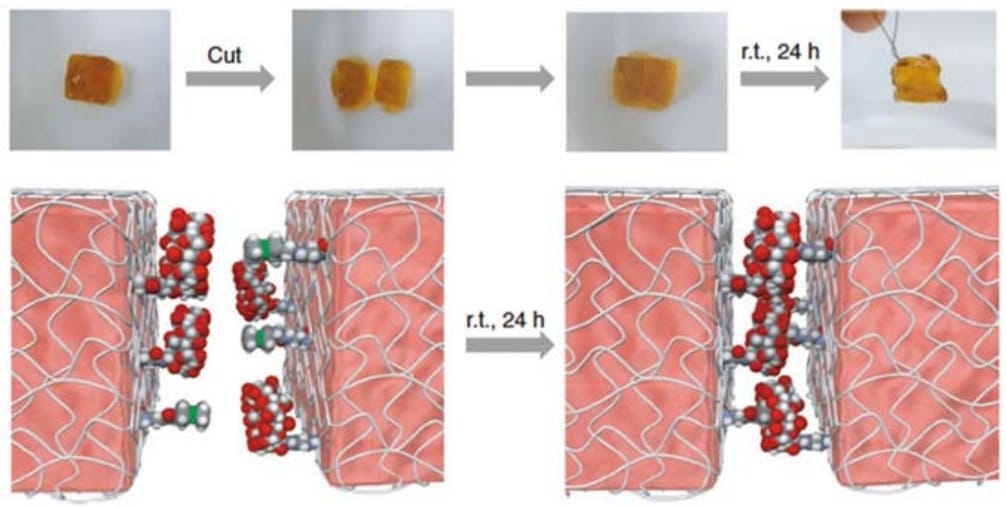
Self-Healing Supramolecular Polymers via Host-Guest Interactions

Published in Current Organic Chemistry, 2014

Self-healing or self-repairing materials are ‘smart materials’ that repair damage caused by mechanical force and are a key development of 21st century materials chemistry and engineering. In this review we describe a few excellent examples of self-healing supramolecular polymers based on host-guest interactions and discuss their advantages and versatility.

Recommended citation: Liu S.; Gong, W.;Yang X. Self-Healing Supramolecular Polymers via Host-Guest Interactions Current Organic Chemistry 2014, 18 (15), 2010 - 2015. https://doi.org/10.2174/1385272819666140514005435.
Download Paper | Visit Websites | Download Bibtex
A Brønsted solid acid synthesized from fly ash for vapor phase dehydration of methanol

Published in Fuel, 2013

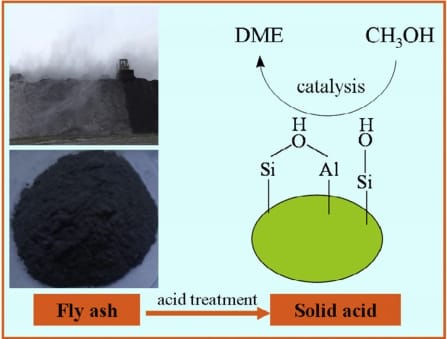
A Brønsted solid acid was prepared from waste coal fly ash by acid treatment with concentrated H2SO4 at 473 K. The prepared solid acid was characterized by X-ray diffraction (XRD), Fourier-transform Infrared spectra (FT-IR), solid-state nuclear magnetic resonance (NMR) and scanning electron microscope (SEM). The characterization results show that the solid acid contains two types of Brønsted acid sites, weak acidic –OH groups and strong bridging Si–O(H)–Al groups. The acid strength of the strong acid sites is similar to that of zeolite HY (Si/Al = 3). The solid acid from fly ash exhibits excellent catalytic activity and stability in methanol dehydration reaction for dimethyl ether (DME) production. Our finding is a promising way of utilization of waste coal fly ash to prepare effective solid acid catalyst for industrial acid catalysis reactions.

Recommended citation: Zeng, D.; Liu, S.; Gong, W.; Qiu, J.; Chen, H.; Wang, G. A Brønsted Solid Acid Synthesized from Fly Ash for Vapor Phase Dehydration of Methanol. Fuel 2014, 119, 202–206. https://doi.org/10.1016/j.fuel.2013.11.030.
Download Paper | Visit Websites | Download Bibtex
Synthesis, characterization and acid catalysis of solid acid from peanut shell

Published in Applied Catalysis A: General, 2013

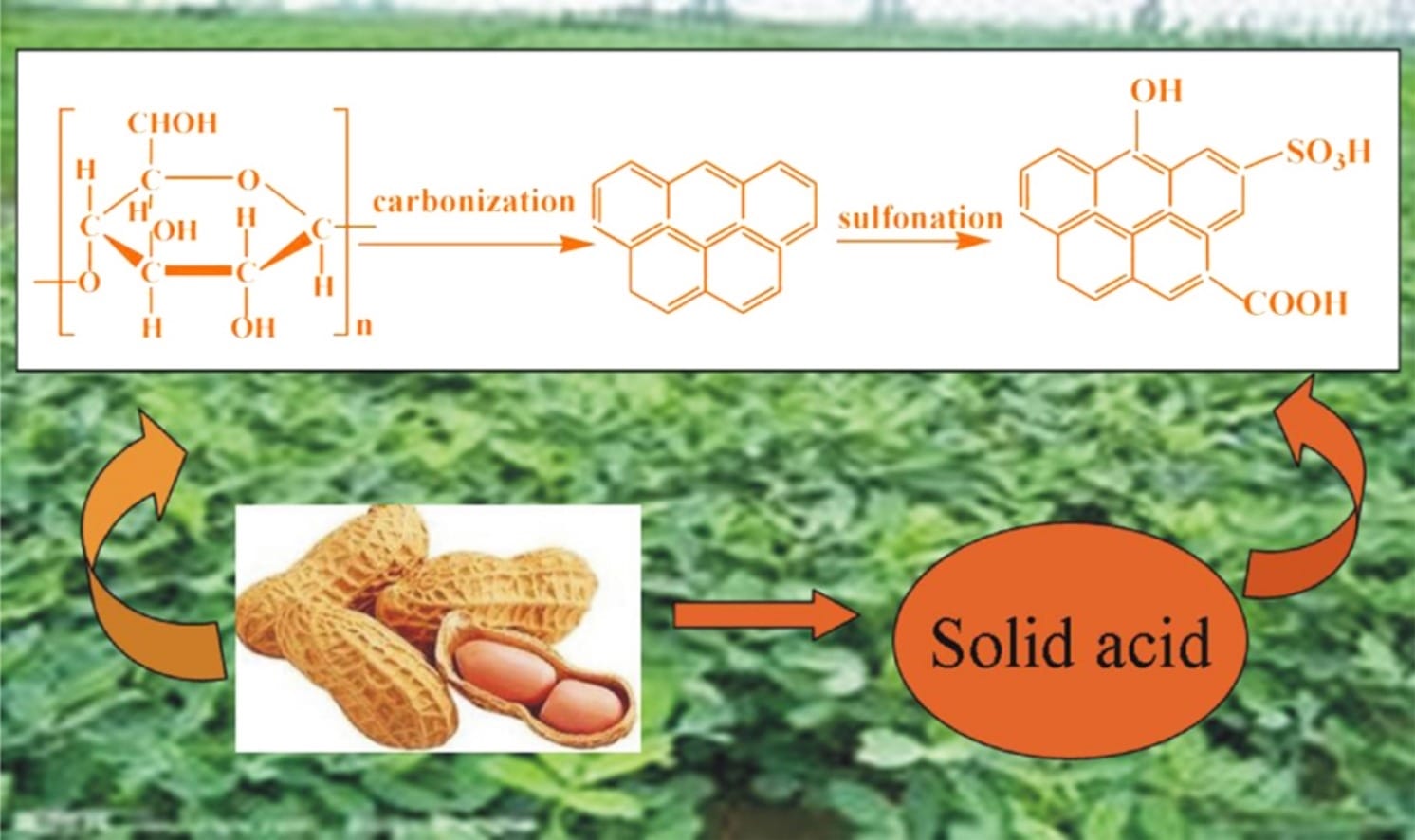
A strong Brønsted solid acid was synthesized by sulfonation of the partially carbonized agricultural biowaste peanut shell. The acidity of the Brønsted solid acid was characterized by X-ray diffraction (XRD), Fourier-transform infrared spectra (FT-IR) and solid-state nuclear magnetic resonance (NMR) spectroscopy. The characterization results show that sulfonation on the peanut shell carbon produces a carbon based solid acid containing three functional Brønsted acid sites, weak acidic single bondOH groups, strong acidic single bondCOOH and single bondSO3H groups. The acid strength of the solid acid is stronger than that of HZSM-5(Si/Al = 75), but still weaker than that of 100% H2SO4. The catalytic reaction tests indicate that this solid acid catalyst exhibits high activity and excellent recyclability for biodiesel production.

Recommended citation: Zeng, D.; Liu, S.; Gong, W.; Wang, G.; Qiu, J.; Chen, H. Synthesis, Characterization and Acid Catalysis of Solid Acid from Peanut Shell. Applied Catalysis A: General 2014, 469, 284–289. https://doi.org/10.1016/j.apcata.2013.09.038.
Download Paper | Visit Websites | Download Bibtex
Acid properties of solid acid from petroleum coke by chemical activation and sulfonation

Published in Catalysis Communincations, 2013

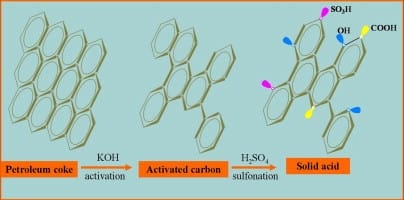
A novel solid acid was prepared from petroleum coke by KOH chemical activation and concentrated H2SO4 sulfonation. The solid acid was characterized by XRD, FT-IR and solid-state NMR. The characterization results show that the chemical activation and sulfonation lead to three functional Brønsted acid sites, –OH, –COOH and –SO3H on the solid acid. The probe molecules experimental reveal that the acid strength of the solid acid is stronger than that of SO42− /ZrO2, but slightly weaker than that of 100% H2SO4. The catalytic performance was evaluated by the esterification of oleic acid with methanol. The results indicate that this solid acid catalyst is very active, corresponding to high conversion (72%) of esterification reaction. In addition, the spent solid acid can be recovered by simple regeneration process.

Recommended citation: Zeng, D.; Liu, S.; Gong, W.; Wang, G.; Qiu, J.; Tian, Y. Acid Properties of Solid Acid from Petroleum Coke by Chemical Activation and Sulfonation. Catalysis Communications 2013, 40, 5–8. https://doi.org/10.1016/j.catcom.2013.05.018.
Download Paper | Visit Websites | Download Bibtex
会议论文


Fluorescence lifetime imaging of microviscosity changes during ER autophagy in live cells

Published in Progress in Biomedical Optics and Imaging - Proceedings of SPIE, 2018

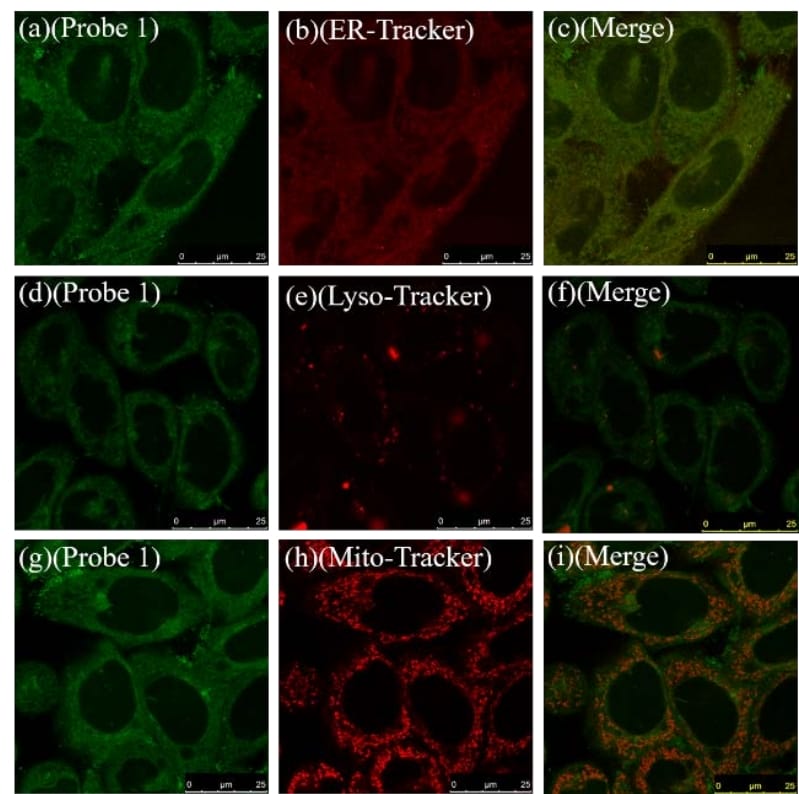
Unfolded or misfolded protein accumulation inside Endoplasmic Reticulum (ER) will cause ER stress and subsequently will activate cellular autophagy to release ER stress, which would ultimately result in microviscosity changes. However, even though, it is highly significant to gain a quantitative assessment of microviscosity changes during ER autophagy to study ER stress and autophagy behaviors related diseases, it has rarely been reported yet. In this work, we have reported a BODIPY based fluorescent molecular rotor that can covalently bind with vicinal dithiols containing nascent proteins in ER and hence can result in ER stress through the inhibition of the folding of nascent proteins. The change in local viscosity, caused by the release of the stress in cells through autophagy, was quantified by the probe using fluorescence lifetime imaging. This work basically demonstrates the possibility of introducing synthetic chemical probe as a promising tool to diagnose ER-viscosity-related diseases.

Recommended citation: He, Y.; Qu, J.; Samanta, S.; Liu, W.; Pan, W.; Gong, W.; Yang, Z. Fluorescence Lifetime Imaging of Microviscosity Changes during ER Autophagy in Live Cells. In Biophotonics and Immune Responses XIII; Chen, W. R., Ed.; SPIE: San Francisco, United States, 2018; p 26. https://doi.org/10.1117/12.2293440.
Download Paper | Visit Websites | Download Bibtex